Implemented with an accurately temperature-controlled holder attached directly in the cast of the Z axis
With a sensor for non-contact measure-ment on the rotating spindle shaft
Resolution in the nanometer range
Large tool changer
Self-designed tool changer solutions with various speeds and sizes up to 199 tool places
Measuring laser in the tool changer
Measuring laser and calibration sphere located outside the machining area, where they are protected against chips and emulsion or oil
Spray cleaning
Tool spray cleaning with solvent, followed by automatic drying for reliable, highly accurate laser measurement
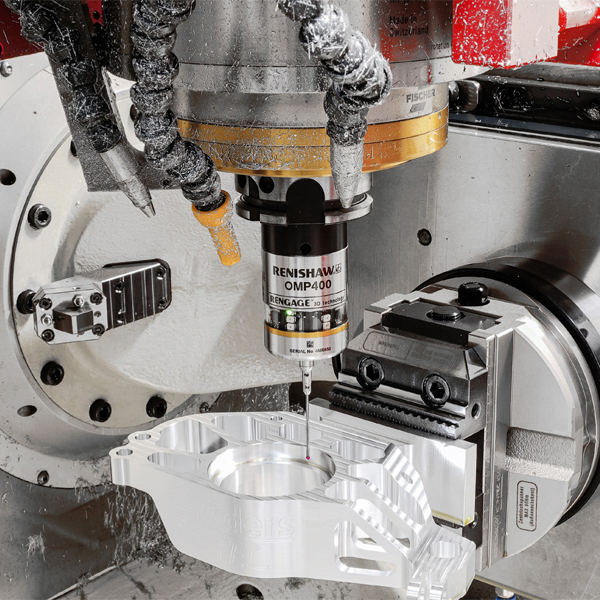
3D touch probe
High-precision measurement of workpieces with the 3D probe directly in the machine, cleaning with coolant before measurement possible, for automated machines optional feedback of the measuring results to the central database; retrofittable
Emulsion, oil and others
Whether dry machining, using minimal lubrication, standard coolant or oil, solutions with accurate temperature control available for all variants
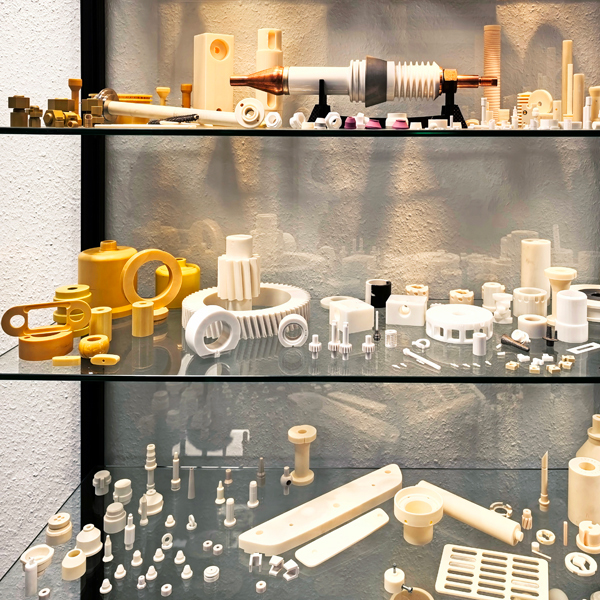
Suction units for graphite or ceramic machining optional
Implemented with an accurately temperature-controlled holder attached directly in the cast of the Z axis
With a sensor for non-contact measure-ment on the rotating spindle shaft
Resolution in the nanometer range
Large tool changer
Self-designed tool changer solutions with various speeds and sizes up to 199 tool places
Measuring laser in the tool changer
Measuring laser and calibration sphere located outside the machining area, where they are protected against chips and emulsion or oil
Spray cleaning
Patented tool spray cleaning with solvent, followed by automatic drying for reliable, highly accurate laser measurement
3D touch probe
High-precision measurement of workpieces with the 3D probe directly in the machine, cleaning with coolant before measurement possible, for automated machines optional feedback of the measuring results to the central database; retrofittable
Emulsion, oil and others
Whether dry machining, using minimal lubrication, standard coolant or oil, solutions with accurate temperature control available for all variants
Suction units for graphite or ceramic machining optional
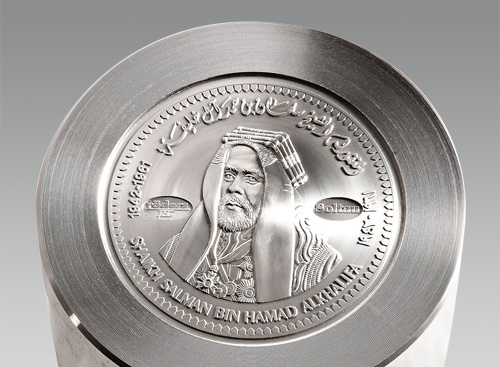
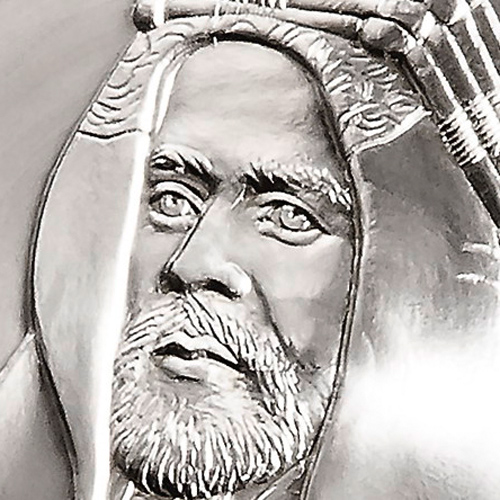
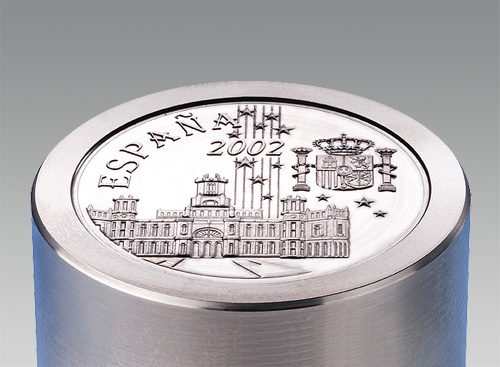
Due to a significantly improved drive and spindle technology an unprecedented quality is achievable on coining dies with Röders HSC machines.
Especially the 10 times better running smoothness of the spindles (< 0.1 µm) allows for machining of extremely high surface qualities and refined details on the dies. Diverse samples for coining dies, which are produced on Röders machines:
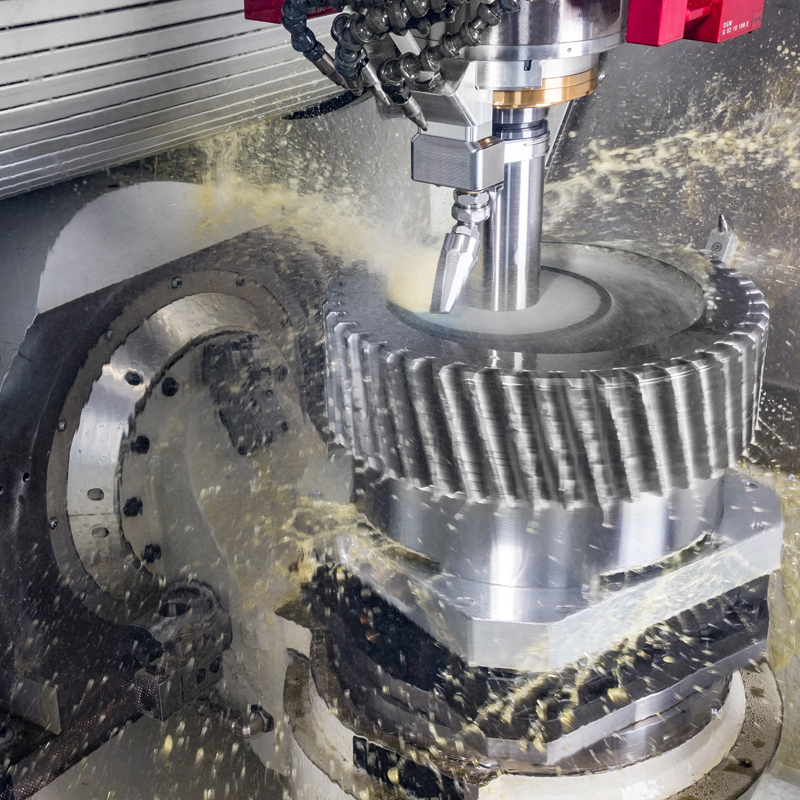
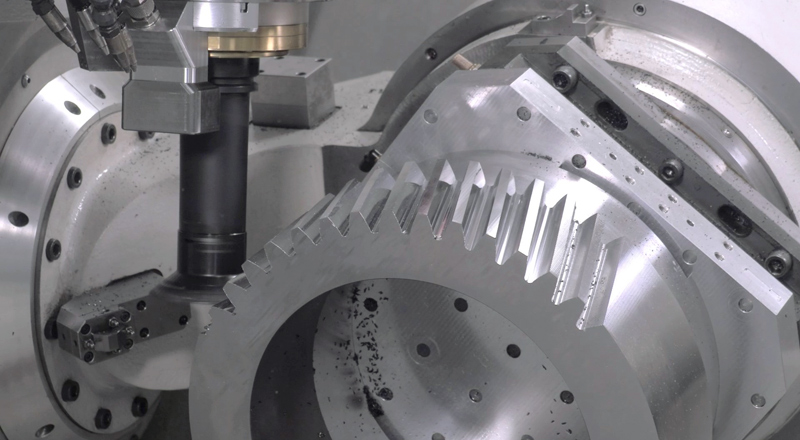
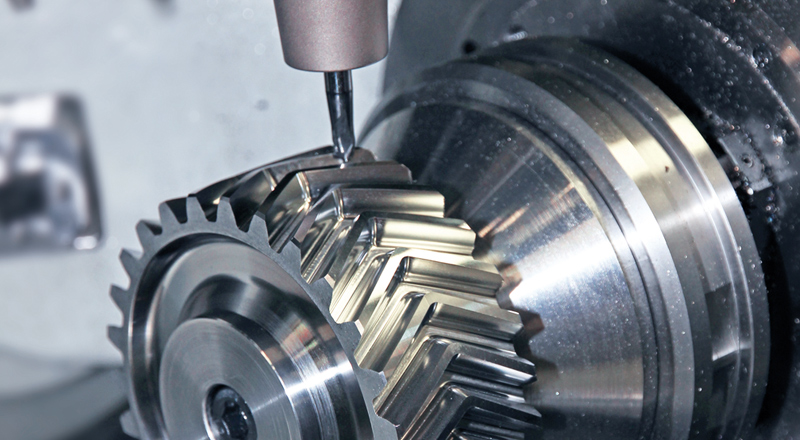
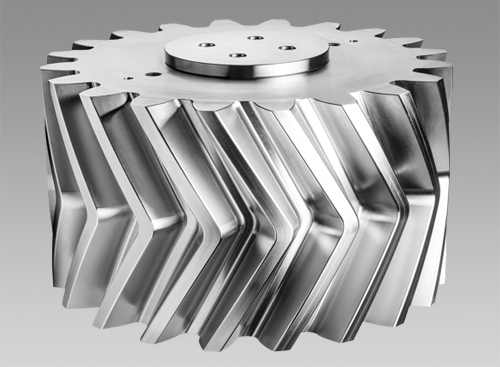
On the modern 5‑axis Röders High Speed Cutting machines different gears may be produced by milling and grinding also in very hard materials with very high precision. Machine size and milling spindle are chosen from a large product range for adapting to the requirements of the individual gear production with highest efficiency. With automation, for example the RCS devices, extremely low production costs are achieved, also for single pieces.
The programming of the gears is accomplished with the especially for gear production developed software from the EUKLID CAD/CAM AG, very simple and fast. Röders offers full support of the complete process chain, programming and production.
With Röders machines, you reliably and permanently hold very small tolerances in the parts production. If necessary, you can combine milling and grinding in one set-up for optimal results. The PRECITEMP® technology developed by Röders over many years ensures a thermally robust machine structure, so that no thermal drifts occur even with fluctuating ambient temperatures and the machine zero points remain stable and unchanged. In this way, you create the conditions for a highly efficient automation with lowest staff requirements possible. Röders offers numerous handling devices and software solutions that have been proven for many years.
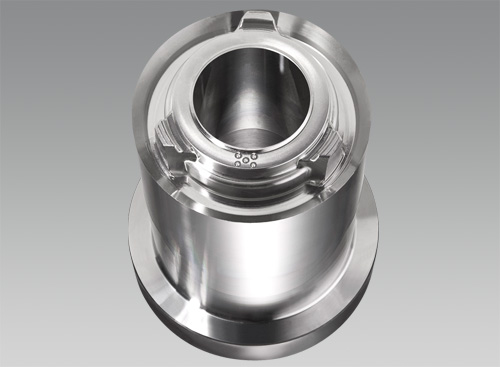
Throttle valve housing
Tolerances down to 0.01 mm, surface quality Ra 0.2 µm
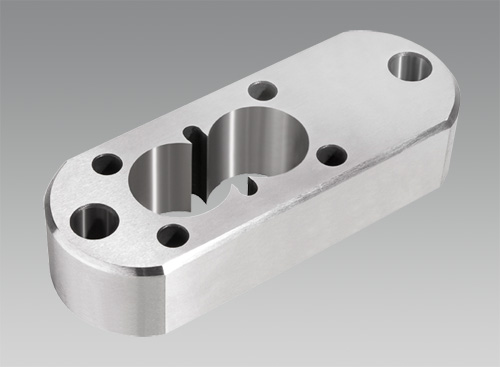
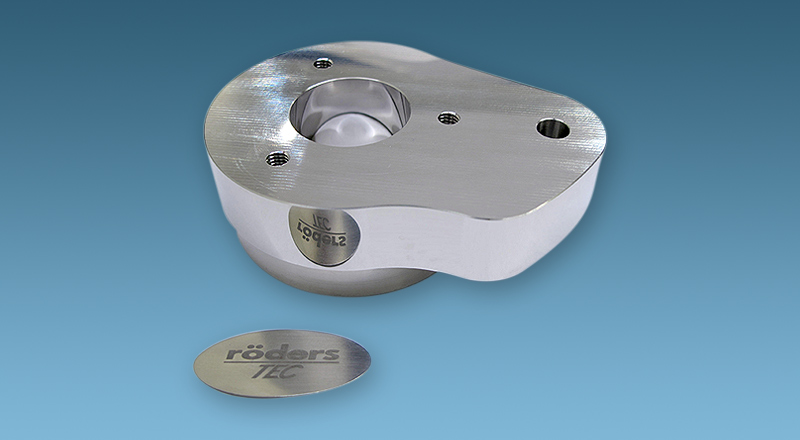
Housing for a hydraulic pump
Tolerances of the “double holes” (position and roundness) < 1 µm
Medical
Implant machined from solid block
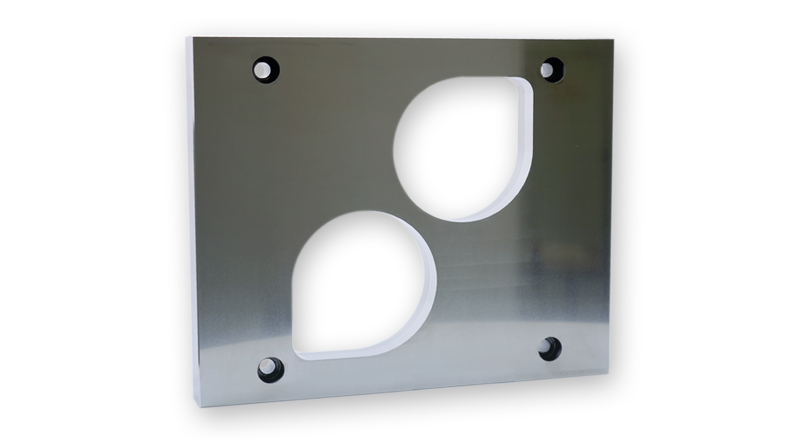
Neck plate for blow mould
produced in two set-ups, tolerances 0.01 mm
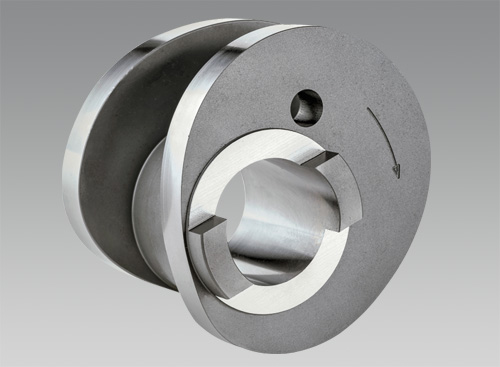
Camshaft
produced by milling and grinding in one set-up, tolerances smaller than 1 µm
Reading head holder for linear scale
machined in 2 set-ups, tolerances 0.01 mm
Housing of a jaw scanner
high surface quality for coating necessary
Optical mount for precision lenses
Series production, machined from the solid, roundness < 2 µm
Small batches and prototypes
Housing for electrical components
Printing head for high-performance printers, machined in graphite
Fully automated high-precision series production
Watchcase,
completely machined
Design study
finish-machined in one set-up from 5 sides
Small batch – automotive
Gear knob and tank cap machined from the solid in 5 axes, to save the mould costs for small quantities
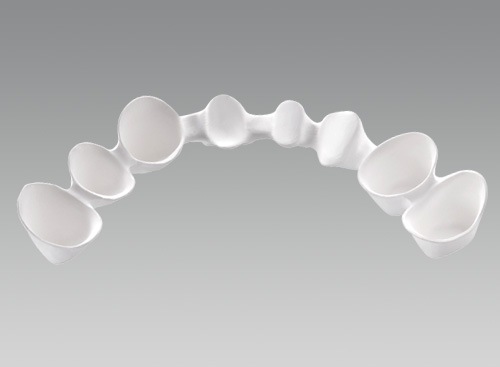
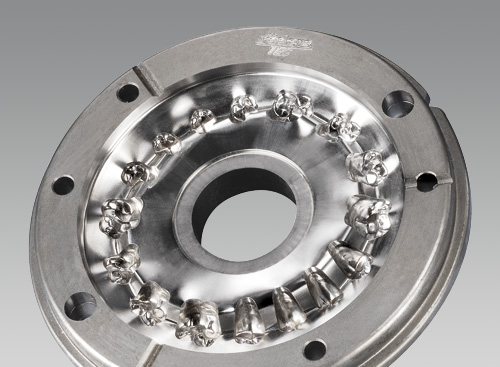
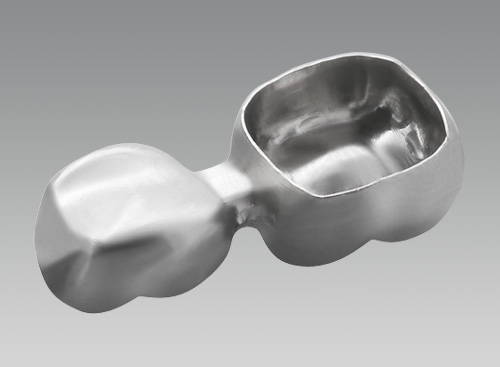
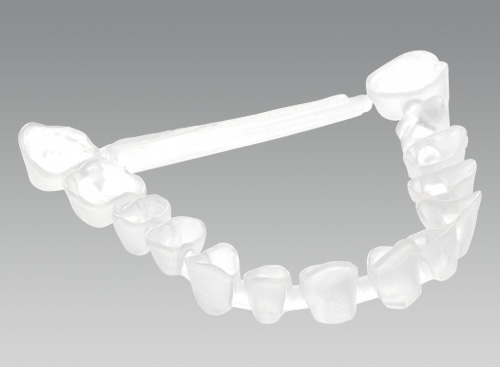
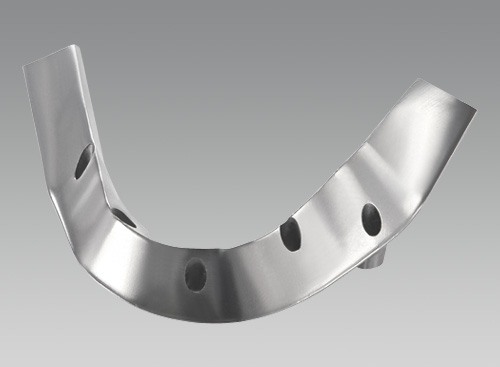
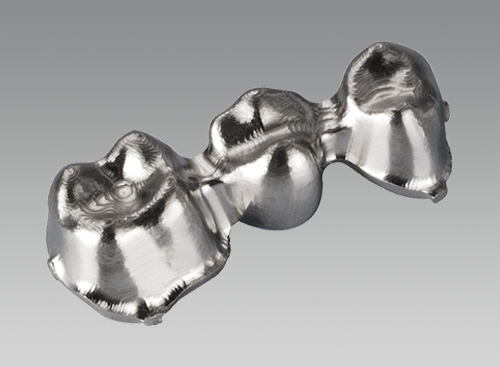
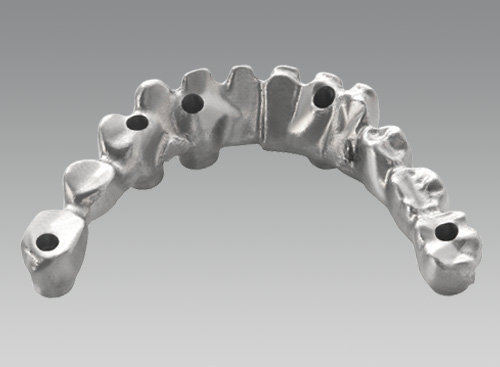
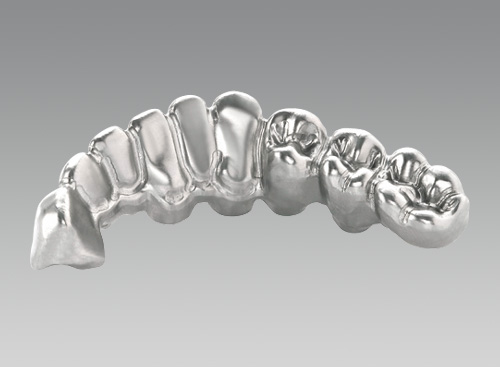
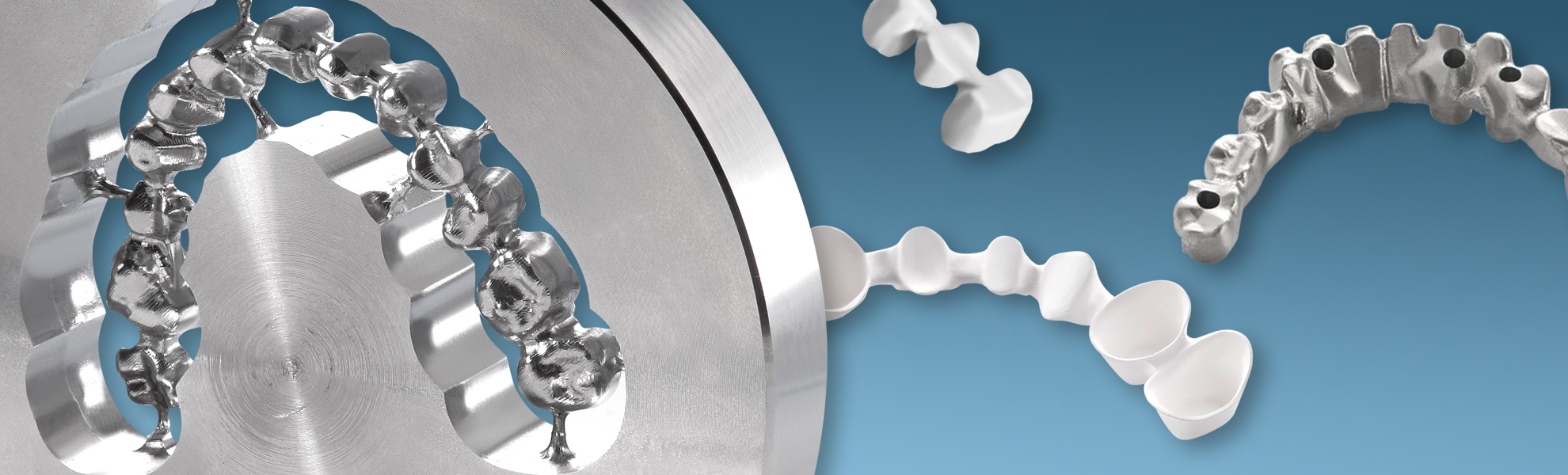
Optimised to meet the special requirements of dental production, the machines RXP400DS and RXP400DSC with the automation RCS1achieve radical cost reductions.
Abutment produced individually
machined with Abutment-Preform which contains finished connecting geometry, chromium cobalt, automatic computation of the machining programs with template developed by Röders
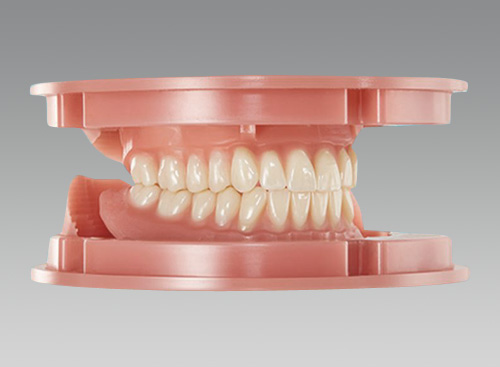
Baltic Denture System from Merz Dental
Prepared raw material supplied by Merz Dental (Baltic Denture System), automatic computation of the machining programs with template
Bridge framework
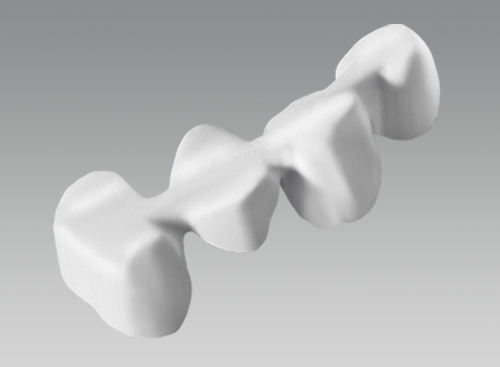
made of zirconium oxide, automatic computation of the machining programs with template
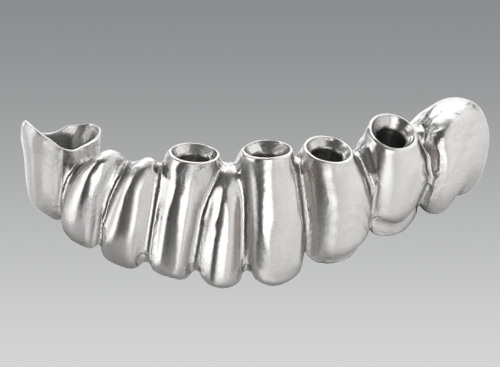
Bridge framework
made of chromium cobalt, automatic computation of the machining programs with template
Lithium disilicate ceramic
highly precise ground, automatic computation of the machining programs with template developed by Röders
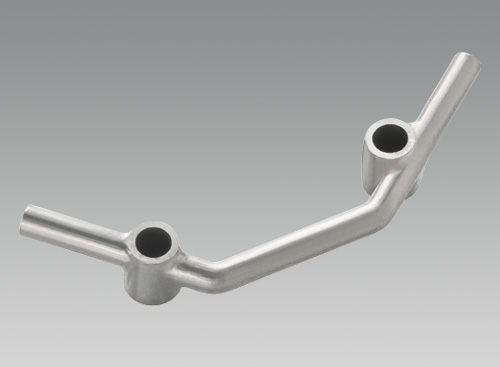
Implant bar
made of chromium cobalt, automatic computation of the machining programs with template, including different connecting geometries
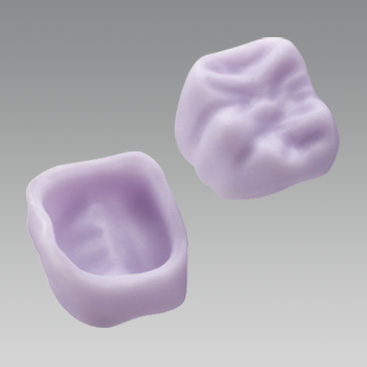
Mould
for dentures
Bridge
made of chromium cobalt, automatic computation of the machining programs with template
Orthodontic device
made of PMMA, automatic computation of the machining programs with template
Bridge
made of zirconium oxide, automatic computation of the machining programs with template
Implant bar
made of chromium cobalt, automatic computation of the machining programs with template
Bridge
made of chromium cobalt, automatic computation of the machining programs with template
Bridge
made of titanium, automatic computation of the machining programs with template
Bridge
made of chromium cobalt, automatic computation of the machining programs with template
Machining of optical glass prisms with extreme angular precision below 2 arc seconds, also for large prisms. Roughing and finishing in one set-up on 5‑axis and respectively 3‑axis machine
Since beginning of 2012 due to new developments in drive and spindle technology extremely high surface qualities are achievable, which are comparable to such produced on ultra-precision machine tools (UP machines).
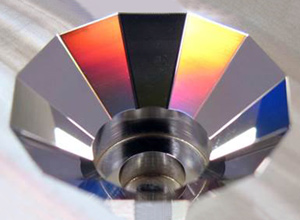
Reflectors
Produced with air bearing spindle on the machine
Precision +/- 1 µm
Surface quality Ra = 0.005 µm
Insert for injection mould of a mobile phone display
Entire surface produced with Ra < 0.01 µm on the HSC machine
Surface quality after milling
with a 4 mm ball nose cutter, surface quality Ra < 10 nm, machining with small step over from tool path to tool path
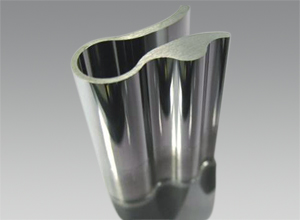
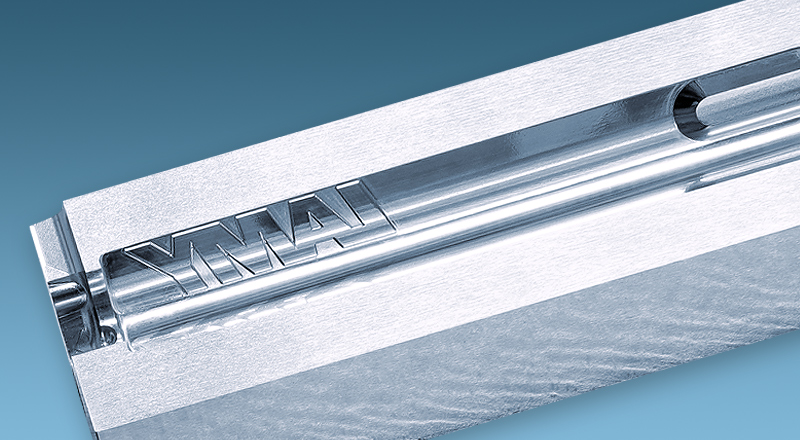
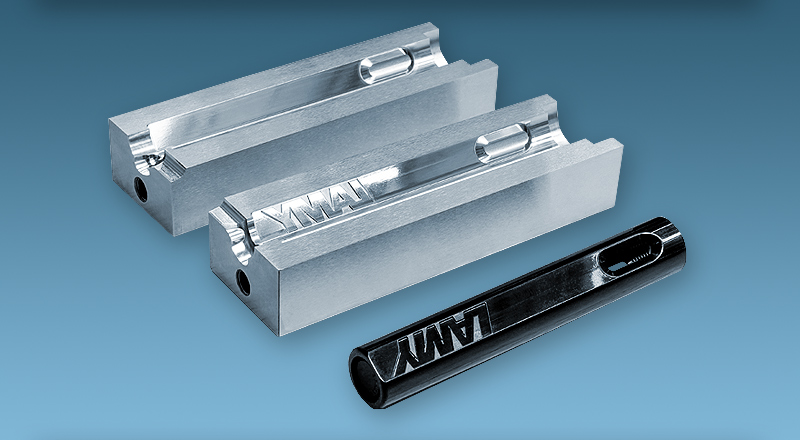
Hardened mold inserts for an injection molding tool for barrels of fountain pens
The repeatable high dimensional accuracy and surface quality made possible by Röders technology completely eliminated the need for the EDM process. The Machines and an automation concept from Röders drastically reduced the number of necessary production steps: from 16 to just four, with significant advantages in terms of efficiency, costs, and process reliability. Read more about the project for SME writing instrument manufacturer Lamy in the technical report.
Liquid Silicon Rubber moulds
Highly precise 5‑axis machining, no rework of parting surfaces necessary
Die casting moulds
Die casting moulds are completely (roughing and finishing) machined with HSC directly in hardened steel. Röders HSC technology reliably achieves a surface quality and accuracy which makes bench work unnecessary, even at mould parting surfaces.
Die for chain links
Weighing 1 t, this die was machined on the RXU1200 in 50% of the time previously needed
Micro-moulds
for the chip industry and other sectors
Engraving width and depth 0.05 mm
Injection mould
for a swivel-chair cover; dimensions approx. 1 m x 1 m
Electrodes
Milled with 5‑axis machines without any reworking
Electrodes for connectors
Detail of electrodes for connectors above, smallest cutter Ø 0.8 mm, achieved Ra = 0.1 µm
Electrodes Milled with 3- and 5‑axis machines without any reworking
Tools for sheet metal forming
HSC milling and jig grinding with high precision in a single set-up
2 m long base plate for progressive die
Roughing, prefinishing, grinding in one set-up on RXU2000
Cutting rollers
Special software available for 4‑axis carving
Rubber moulds
Machining from all sides in one set-up
Tire moulds
Extreme dynamics for shortest machining times
Moulds for fuel cells
Cutting and forming die
HSC milling and jig grinding (tolerance 1 µm) in a single set-up
Blanking punch
Tolerance < 1 µm over the full height
Package moulds
of high-tensile aluminium
Precision forging dies
High rpm for producing small corner radii
Injection moulds
with high precision in every detail
Crankshaft forging dies
in high-tensile steel with extreme cutter lengths, finish-machined
Consistently reliable precision makes it possible holding narrow tolerances in the production of parts, even when ambient temperatures fluctuate
Jig Grinding With Jig Grinding a very high level of precision (< 1 µm) and surface qualities (Ra < 0.01 µm) are achieved on Röders HSC machines. Due to the high stiffness of the machines the combination of High Speed Cutting and Jig Grinding in one machine is possible and results in large cost savings for many applications.
Röders experience in milling and grinding and the cooperation with customers have lead to an exceptional performance of the Röders machines for machining glass.
BLISKS, BLINGS or Impeller require smooth surfaces without any steps from the machining process. Direct drives in all axes, 32 kHz drive technology and a special temperature management in the Röders machines ensure highest dynamics and constant quality also over extended periods. The cost savings compared to standard machining centres may reach 20% and more.
Moulds for fuel cells
Highly precise contours with small inner radiuses and high surface qualities are required on moulds for fuel cells. Numerous customers appreciate especially the high long term precision of the machines from Röders for the machining operations lasting many hours on one workpiece.
For machining carbide the long lasting experience of Röders in combining milling and grinding in one machine leads to a very high efficiency. High precision and stiffness of the machines allow extraordinary machining results.
High-precision plastic injection moulds for optical components, e.g. light-emitting diodes, are a new focus in the wide spectrum of applications for Röders customers.
Highly precise 5‑axis, if necessary automated production of different gears as single pieces or in small batches
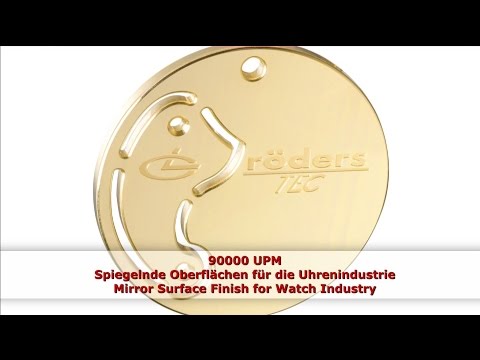
Watch Machining with 90000 rpm
Watch Industry
Highest qualities at shortest machining times are achieved by high precision air bearing spindles in combination with the direct drive technology of the linear motor machines.
Dental All materials used in the dental industry can be machined fully automatically and with high precision.
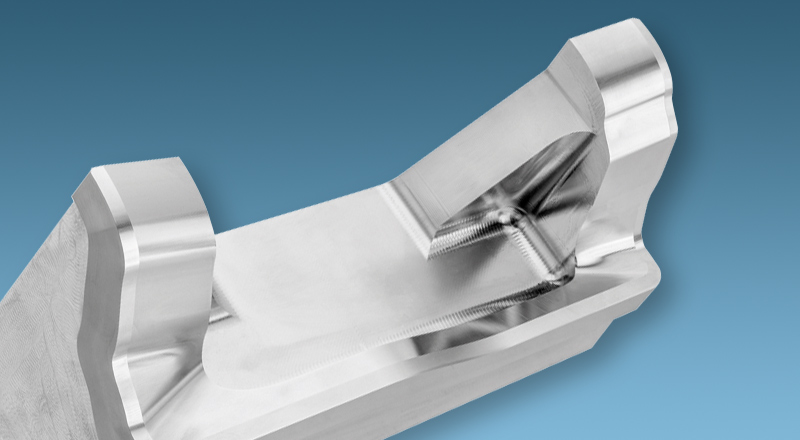
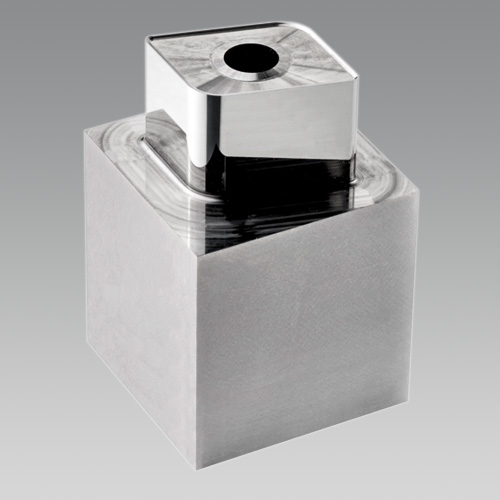
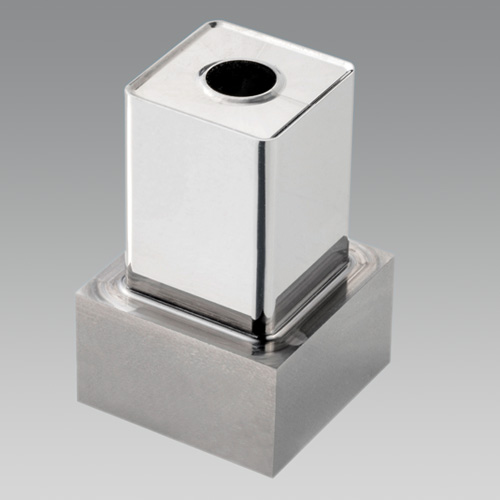
Coining dies are produced down to the last detail by milling, without any need for reworking.
Röders RXP601DSH Schleifbearbeitung einer Ziehmatrize / Grinding of a Drawing Die / HSC Grinding
Grinding of a Draw Die
Offset-free five-axis simultaneous machining of a draw die using coordinate chop grinding. The three areas plane, fillet (R 5 mm) and oval opening (46 × 40 mm) were ground in one path with a ceramic bonded CBN. The machining was carried out on a Röders RXP601DSH milling and coordinate grinding machine.
Impellers
Through the development of special machines for greatest possible accelerations (up to 3g), extremely short machining times can be achieved with the same high quality.
Glass moulds in graphite
Due to the high precision of the Röders machines machining of mirror surfaces in graphite becomes possible, with Ra values < 0.1 µm.
From sixteen machining steps to just four: Sophisticated automation of a challenging milling task Company Lamy, 12/25
Top-quality products must stand out from their competitors by their distinctive design. This brings about correspondingly high stakes for the associated manufacturing tasks. Lamy, an SME writing instrument manufacturer, is proud of its quality and, even today, still occasionally repairs fountain pens sold up to 60 years ago
Highest demands on machine and tools: High-precision milling of the hardest special ceramics Company BCE, 09/25
In addition to metals, plastics and semiconductors, almost all technical products contain an increasing proportion of industrial ceramics. Ceramics are characterized in many areas of application by their hardness and resistance to heat and cold, wear and corrosion.
Increase performance through integrated measurements Reference Report
With improved production quality, reduced error rates and shorter processing times, the NXRSP+ software delivers impressive results. It is now being used as a customised solution on Röders machines. This was made possible by a successful development partnership between Röders, Renishaw and JANUS Engineering.
New RPT machines from Röders: Tolerances halved 03/25
When looking at the quality of the workpieces nowadays achievable using high-precision machining centres, one might ask oneself if further advances could be achieved at all. But Röders wanted to take on this challenge once again. “Our many years of application experience and extensive in-house developments in design, control and regulation technology have given us a very detailed knowledge of our machines.”
High-performance micromilling of high-hardness steels: e.g. for bipolar plates Workshop 01/2025
Tools for punching, embossing and forming sheet materials are very demanding. Accuracies in the range of 1–2 µm are sometimes required during production. The challenges increase the larger the tool and the thinner the sheet metal is. A prime example of these difficulties can be experienced in the production of stamping plates for the sheet metal shells for so-called bipolar plates for hydrogen fuel cells.
Milling: Strategy Milling combines old and new for precision dental restorations Company Strategy Milling, 09/2024
The company uses Roeders RXD5 and RXD5C mills along with Roeders RCS‑1 automation robots and magazines for automated, lights-out operation for up to 72 hours. Much has changed in the dental and medical industries in recent years, particularly as digital technologies advance.
Tools and mechanics: Job shop specialises in maximum precision Company Rauch, 06/2024
Gerhard Rauch Ges.m.b.H. in Trasdorf (Austria) is a versatile manufacturer of mechanical components and assemblies for the highest demands. Its customers come from sectors such as mechanical engineering, precision engineering, aerospace or medical technology.
Mould making: turbo-boosting full automation Company SFS Group Austria, 04/2024
The globally active Swiss SFS Group supplies numerous industries. For quality reasons, the company relies on its own mouldmaking shop for the production of injection moulds. Here, an integrated production line with milling and die-sinking EDM systems, parts cleaning and high-precision measurement was put into operation.
Surface quality: gloss milling or polishing? Workshop with companies MMC Hartmetall and Tebis Technische Informationssysteme 04/2024
If the highest surface quality is required during milling, additional polishing is usually carried out after finishing. For typical tasks in mould making, the required time can range from a few hours to several days.
High precision measurements from Cimatron creates a stronger process Company Alpla Group 07/2023
Quality measurement in the machine? At the Alpla Group in Hard, Austria, the production process was significantly shortened by moving the quality measurement from a separate measuring room to the RXP950DSH from Röders. Immediately after milling, the workpieces are measured on the machine. The measurement differences compared to a coordinate measuring machine are so marginal that measuring on a coordinate measuring machine could be eliminated.
Accuracy and best optics high on the agenda Efficiency combined with ultra-precise machining Company Circle 03/2023
What has proven itself in tool and mould making is also suitable for everyday use in general metal cutting. Especially when, in addition to good cutting performance, high precision and excellent optical quality of the parts are required.
Glass, silica glass, ceramics… Ultra-precise machining of brittle-hard materials Company ShapeFab 03/2023
When processing lenses or other structures made of glass or ceramics for applications such as laboratory and medical technology, measuring devices or laser technology, the “classic” three-pronged technology chain of grinding, lapping and polishing using three different systems dominates.
Extra large 2000 x 1800 mm with 5 µm stitching gauge: High-precision 3‑axis milling and jig grinding
In many industrial sectors two twinned trends can be observed: customers ask for components with larger dimensions while at the same time requiring enhanced accuracy and surface quality. This not only affects tool and mould making, but also other high-tech application areas such as mechanical engineering, the electronics and metrology sector, or medical technology.
Hard machining above 58 HRC replaces die sinking EDM Tool making: efficient lubrication optimizes tool life Companies ZF and MHT 10/2022
The performance and efficiency of electric drives depend on the narrowest possible air gap between rotor and stator. The trend towards electrified powertrains thus furthers higher demands on the precision of the stamped parts required for this purpose.
Milling, penetration EDM,measuring and washing Mold making: automated cell integrates multiple technologies Company Festool 03/2022
In mold and die making, a profound transition is taking place. The previously favored juxtaposition of individual machines requiring high labor intensity is gradually replaced by complex, fully automated cells with integrated handling combining different types of equipment.
Röders GmbH uses the ZEISS XENOS high-end measuring device for maximum accuracy in mechanical engineering From Users For Users: Ahead of everyone else with uncompromising precision Company Carl Zeiss Industrielle Messtechnik GmbH 12/2021
In Soltau, Lower Saxony, highly precise milling and grinding machines are produced in the mechanical engineering department at Röders GmbH. The tolerances here are sometimes so small that customers were arguing about measured values again and again.
Ultraprecision machining of metals and plastics Lenses, mirrors, semiconductor technology, lasers, prototypes … Company son‑x, 12/2021
For many optical components, such as lenses or mirrors, the requirements for the accuracy of the contours and the quality of the surfaces are up to a power of ten more stringent than for other micro production processes. Fractions of a micrometer or surface roughness values in the single-digit nanometer range are required.
Short-term production of a finished gearwheel — Flexible gearwheel production with high-precision 5‑axis machining centres
The manufacture of gearwheels for machine building applications usually involves machines especially designed for the purpose. Important techniques include gear hobbing, gear shaping, gear-generating planning, profile milling and profile broaching. Generally, specialized tools whose geometry is precisely adapted to the work-piece are required.
Fully automatic HSC hard machining Automation in mould making: milling machine manufacturer as development partner Company Hella, 04/2019
Although complex injection moulding tools are often one-off pieces, systematic standardization of processes and automation of the machining steps in conjunction with the use of suitable machines enables benefits to be achieved relating to both quality and costs.
Milling machines for the high art of mould making What do precision milling centreshave to do with mascara applicators? Company Zahoransky Automation & Molds, 08/2017
It is hard to find product categories with aesthetic requirements that exceed those of the healthcare & beauty sector. The requirements that such products have to meet encompass all relevant aspects, such as design, colour, surface quality or look and feel. It goes without saying that items produced by plastic injection moulding need moulds that fulfil comparatively stringent quality requirements.
Highly precise multi-purpose machine for the tool shopMachining center for heavy-duty service in milling and jig grinding Company Feintool, 12/2015
Feintool is a specialist for fine stamping and forming of precision sheet metal parts for various industrial applications with a world-wide reputation. The top performances its customers require can only be achieved if the entire process chain from the press through to the tool, the consumables and the periphery is carefully designed and optimized from one source.